

Bitcoin

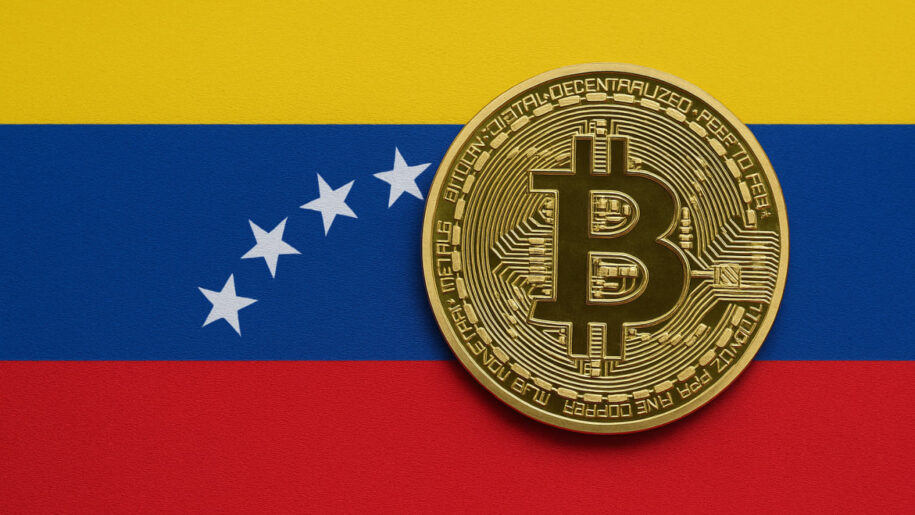
Venezuela is preparing to allow its citizens to buy, store and send cryptocurrencies directly through the country’s banks, in a move that could rebuild its ailing economy. This is the first integration of Bitcoin and stablecoins into a country’s financial system.
For years, Venezuelans have relied on digital assets simply to survive. When the bolivar collapses due to inflation, stablecoins like Tether (USDT) has become the de facto currency for cross-border payments and everyday transactions. Once a speculative investment, cryptocurrencies have evolved into a lifeline.
Now, Caracas seems ready to formalize that reality. Financial technology provider Conexus, the company responsible for processing nearly half of all digital transfers in the country, is developing blockchain infrastructure that connects local banks with the crypto economy.
Once the system is launched, citizens will be able to deposit Bitcoin and stablecoins, make crypto-based transfers, and instantly convert between fiat currencies and digital assets, all under the umbrella of the regulated banking sector.
December 2025: National Cryptocurrency Pivot Target Date
Conexus President Rodolfo Gaspari said the rollout, scheduled for December 2025, aims to bring transparency and trust to a system where people are already using cryptography informally. The goal is to create a regulated gateway that reflects how Venezuelans actually manage their finances.
💥Breaking news:
🇻🇪Venezuela adds Bitcoin to national banking network, allowing banks to handle it $BTC For customers nationwide. pic.twitter.com/IRJFlbCa6L
— Crypto Rover (@cryptorover) October 31, 2025
“Stablecoins are part of everyday life here, not for trading, but for survival,” Gaspari said. “The banking system needs to evolve to reflect that.”
The project will effectively phase out the need for shadow market peer-to-peer apps and create a formal bridge between Bolivar, Bitcoin, and stablecoins. For the first time, banks will be able to hold and manage digital assets on behalf of their customers within a framework approved by financial regulators.
From crisis to catalyst
Venezuela’s experiment comes at a time when much of the world is still debating how, or whether, to integrate traditional banking with blockchain technology. This decision is in stark contrast to the cautious approach of most central banks, which often treat cryptocurrencies as speculative or destabilizing.
By incorporating cryptocurrencies into its financial infrastructure, Venezuela may be setting a precedent for using blockchain not to disrupt banks, but to rebuild public trust in them.
If successful, the initiative could enable faster transactions, lower transfer fees, and broader financial inclusion in a country where millions remain unbanked or rely on informal remittance channels.
A model of an economy under pressure
Analysts say the experiment could have implications for other countries facing similar challenges, especially those battling inflation and currency depreciation. Legalizing stablecoins within the framework of a national bank could provide Venezuela with a realistic path towards digital currency stability.
For many observers, this move is about politics as much as economics, showing that even countries under heavy financial strain are ready to explore crypto as a tool for resilience.
calculated gamble
Integrating blockchain into national banks is not without risks. Regulatory clarity, liquidity management, and cybersecurity will test the durability of the system. Still, for a population that already relies on cryptocurrencies out of necessity, the official recognition of digital assets is a landmark moment.
In some ways, the Venezuelan government is catching up with its own people, formalizing what they have already been building from the ground up: a decentralized safety net in a fragile economy.
If all goes according to plan, Venezuela could become the first country in the world where blockchain and banking are one and the same by the end of 2025. This is a bold experiment in rethinking the meaning of trust, money, and financial sovereignty.
The information provided in this article is for educational purposes only and does not constitute financial, investment, or trading advice. Coindoo.com does not endorse or recommend any particular investment strategy or cryptocurrency. Always do your own research and consult a licensed financial advisor before making any investment decisions.