

rules

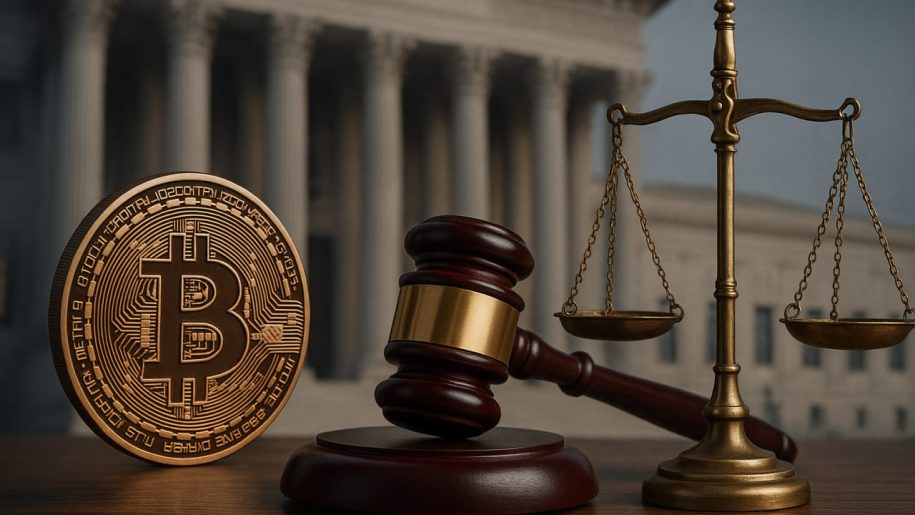
After months of anticipation, U.S. lawmakers have taken a major step toward establishing a clear framework for digital asset oversight.
- A bipartisan Senate draft proposal proposes shifting oversight of cryptocurrencies from the SEC to the CFTC.
- Under the plan, most cryptocurrencies would be classified as digital goods.
- Lawmakers remain divided over DeFi rules and the CFTC’s regulatory ability.
- This proposal would be the most significant step yet toward a unified cryptographic framework in the United States.
Washington’s long-running debate over who should regulate digital assets has reached a tipping point. Senators John Boozman and Cory Booker have introduced a bipartisan discussion draft that would transfer much of the oversight of cryptocurrencies from the Securities and Exchange Commission (SEC) to the Commodity Futures Trading Commission (CFTC). This is a move that both the crypto industry and the Trump administration have supported for years.
of suggestionThe bill, released by the Senate Agriculture Committee, lays out the basis for a broader market structure bill aimed at clarifying how digital assets are classified, traded, and supervised at the federal level. Under the plan, most cryptocurrencies such as Bitcoin and Ethereum would be treated as digital goods and would fall under the jurisdiction of the CFTC. The bill would also introduce new registration requirements, disclosure obligations and trading fees for certain market participants, increasing accountability in a situation where there was previously little regulation.
A parliament with divided opinions but strong determination
While the bill reflects rare bipartisan cooperation, it also exposes disagreements over resources and priorities. Senator Booker welcomed this development, but warned that the CFTC currently lacks the personnel and infrastructure to regulate a multi-trillion dollar market. The commission was designed as a bipartisan five-member body, but after a series of resignations, only one member, Acting Chairwoman Caroline Pham, is currently active. The draft proposal calls for at least two future CFTC commissioners to be Democrats, ensuring balance after Trump’s nominee for chairman, Mike Selig, is confirmed.
Republican senators, including Senate Banking Committee Chairman Tim Scott (R.S.C.), praised the draft, calling it an important milestone toward comprehensive cryptocurrency regulation. Democrats remain cautious, arguing that while the CFTC may be more in line with industry wishes, it needs more resources and enforcement capabilities to deal with the complexities of the digital asset sector.
Important issues still under consideration
The current bill leaves several key issues unresolved, particularly regarding decentralized finance (DeFi) and anti-money laundering (AML) standards. DeFi has become a partisan flashpoint, with many Democrats calling for stricter regulation, while Republicans and most industry leaders want a lighter touch. Lawmakers plan to continue negotiating these provisions before moving the bill to markup.
Crypto industry executives have been lobbying hard for the bill, meeting with senators from both parties in recent weeks. Ji Hun Kim, CEO of the Crypto Council for Innovation, called the draft announcement a “meaningful positive progress” toward a “fit-for-purpose” regulatory structure that could bring stability to the U.S. digital asset landscape.
The path forward towards the market structure bill
The Senate Agriculture Committee, which oversees the CFTC, has not yet scheduled a hearing or formal vote on the proposal. Meanwhile, the Senate Banking Committee, which handles the securities portion of the bill, continues to refine its own draft, released earlier this year. Lawmakers hope to combine both versions into a single bipartisan package by the end of the year.
Even with Republican support, at least seven Democratic votes are needed to overcome a filibuster, so bipartisan cooperation is essential. The House passed a similar market structure bill earlier this year with the support of more than 70 Democrats, and there is cautious optimism that the Senate could follow suit.
If passed, the bill would not only clarify which federal agency would oversee digital assets, it would also redefine how cryptocurrencies operate in the U.S. market, setting the stage for the most comprehensive crypto regulatory framework in U.S. history.
The information provided in this article is for educational purposes only and does not constitute financial, investment, or trading advice. Coindoo.com does not endorse or recommend any particular investment strategy or cryptocurrency. Always do your own research and consult a licensed financial advisor before making any investment decisions.


Costa joined the team in 2021 and quickly established himself with his thirst for knowledge, incredible dedication and analytical thinking. In addition to covering a wide range of current events, he also writes excellent reviews, PR articles, and educational materials. His articles have also been quoted by other news agencies.