

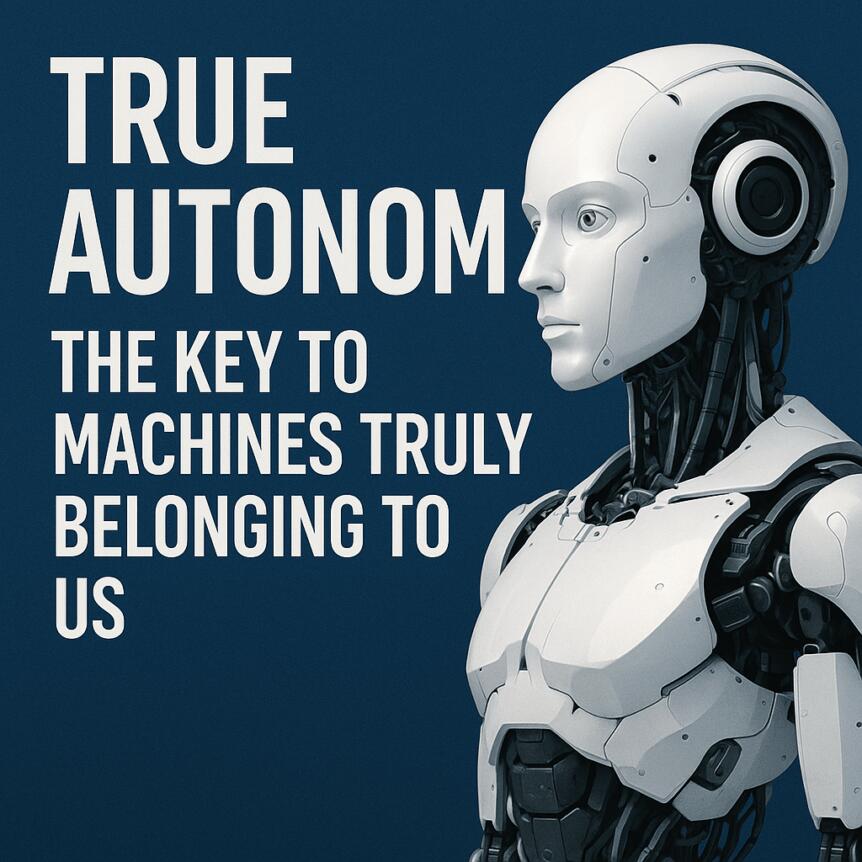
The integration of humanoid robots into everyday environments represents an important milestone in the advancement of artificial intelligence and robotics. Companies like 1X Technologies are introducing machines like Neo, a humanoid robot designed for at-home assistance, sparking debate about the possibilities, limits, and ethical considerations of AI-powered personal assistants. As these devices become more widespread, important questions surrounding privacy, autonomy, and the evolving relationship between humans and machines are gaining attention.
- 1X Technologies’ humanoid robot Neo aims to act as a home assistant, but relies heavily on remote control and human supervision.
- Applications of humanoid robots have the potential to have a major impact on elderly care, but have raised concerns regarding privacy, emotional understanding, and data security.
- The transition to consumer robots will require addressing trust, competence, and how these machines interpret human intentions and emotions.
- Real advances in body-based AI will require advances in multimodal awareness, understanding context, and protecting personal data.
- Society needs to redefine its comfort zone with robots and balance the benefits of robots in care and assistance with the risks of surveillance and loss of personal privacy.
rise of robots
When 1X Technologies announced Neo, a sophisticated humanoid robot that was marketed as the first domestic robot, headlines quickly followed. Neo costs about $20,000 and promises to help with household chores like cleaning, carrying around, and even learning a new job. While the concept of an AI companion that makes your daily tasks easier is appealing, the reality is that Neo’s functionality is still rooted in remote control. A human operator guides many of its functions in real time, navigating the environment and handling objects.
Although this approach allows AI systems to learn through imitation and reinforcement, it raises significant questions regarding privacy and data ownership. The personal information that Neo collects, such as video, audio, and movement patterns, remains accessible to control systems, making Neo less autonomous and treated as a tool connected to external servers.
Possibilities and limits of humanoid robots
Humanoid robots have the potential to revolutionize elderly care by assisting seniors with daily activities, providing companionship, and monitoring their health. Some pilots in Japan, South Korea and Europe are already testing these applications. However, there is a fine line between assistance and true emotional care. Although robots can sense physiological signals, they cannot truly understand situations or emotions, raising concerns about data privacy and security, especially if the data is stored locally and unencrypted.
As these machines become integrated into private spaces, questions about trust and responsibility intensify. The goal is for AI to balance usefulness and discretion, ensuring that personal data remains under users’ control rather than being misused or exploited.
The path to true independence
Achieving advanced embodied AI will require leaps in not only perception, but also reasoning, emotional understanding, and situational understanding. Robots must interpret not only commands, but human tone, environment, and nuances, all of which are essential for safe and ethical interactions. Progress will depend on breakthroughs in multimodal awareness and data protection that ensure that personal information is owned and protected by users.
Until robots can understand the reasons behind their actions and adapt accordingly, human supervision will still be required, especially in sensitive environments like caregiving. The future of AI-powered home robots depends on trustworthy, private, and empathetic technology that bridges the gap between assistance and companionship.
Rethinking our relationship with machines
For humanoid robots to become a fixture of everyday life, we will need to redefine society’s comfort with living alongside machines that see, hear, and understand us more intimately than before. Their potential to support aging, reduce caregiver burden, and combat social isolation is promising, but these benefits come with risks. The potential for surveillance, data breaches, and loss of personal privacy emphasizes the importance of local, encrypted operations and autonomous decision-making capabilities.
Until robots are able to effectively interpret the core elements of caregiving: attention and compassion, their role will continue to be supportive rather than substitute. These are valuable tools guided by human supervision, not autonomous agents capable of understanding true emotions. The future of living with AI depends on developing trustworthy, ethically designed machines that truly serve human needs without violating individual rights.
Commenter: David Tomasian, CEO, Curious.
This article is for general information purposes only and does not constitute legal or investment advice. The views expressed are solely those of the author and do not necessarily reflect the views of the publication.