


altcoin fintech
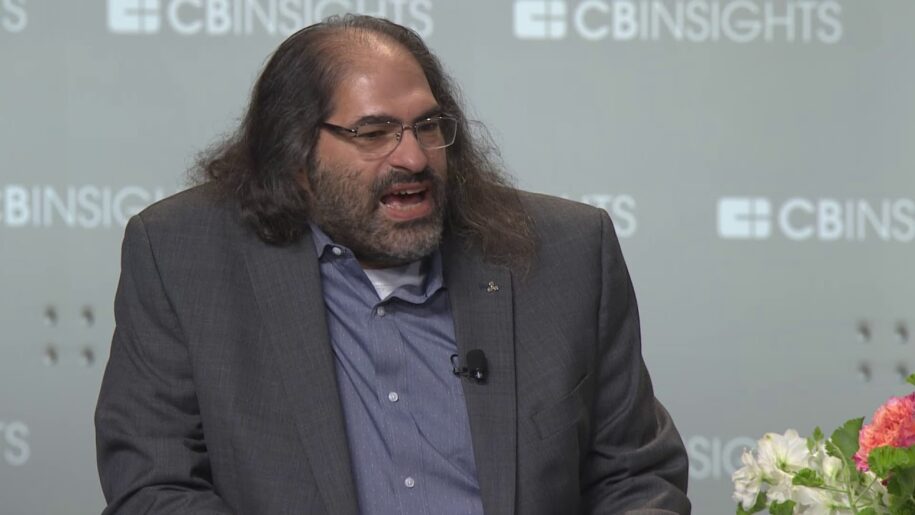
David Schwartz, Ripple’s chief technology officer, reflected on one of the industry’s longest-running debates: what makes cryptocurrencies valuable.
In a candid conversation with crypto podcaster Scott Melker on
XRP Philosophy: Accessibility without intermediaries
Schwartz, one of the principal engineers on the XRP Ledger, described blockchain as a financial system designed for open access. “XRP is a blockchain where people can be their own bank, and intermediaries don’t tax transactions,” he told Melker. His points reflect Ripple’s founding philosophy of building a decentralized system that operates independently of traditional financial gatekeepers.
According to Schwartz, what makes XRP unique is its structure as a universal asset, meaning it has no central authority or counterparty. “XRP is the only asset that can be accessed by any account in any jurisdiction without the risk of default, freeze or clawback,” he said, highlighting its neutrality and resilience compared to permissioned systems.
speculation and recruitment
While defending him XRP Although the fundamentals were clear, Schwartz did not shy away from the truth that much of the valuation of cryptocurrencies is still driven by speculative enthusiasm. “I like to believe in the importance of usage,” he said, reflecting the idea that it is utility, not price hype, that determines which digital assets last longer.
It is significant that one of Ripple’s most prominent figures made this recognition. Since 2011, Schwartz has been one of the key architects behind Ripple’s technology and has been an active voice in discussions surrounding decentralization, regulation, and blockchain integration in traditional finance.
Schwartz is expected to step down as chief technology officer by the end of 2025, and his comments also serve as a parting reflection on how far cryptocurrencies have come and how far they still have to go to escape the gravitational pull of speculation.
Do you want to use a blockchain where people can be your own bank and intermediaries don’t tax your transactions, or do you want to be someone else’s bank and tax your transactions? If you want the latter, there are dozens of blockchains available. If you want the former, there’s XRP.
I…
— David ‘JoelKatz’ Schwartz (@JoelKatz) October 30, 2025
Ripple’s broader mission
Under Schwartz’s technical leadership, Ripple has focused on building blockchain solutions for cross-border payments and liquidity management, where XRP continues to play a central role. The company’s vision has evolved from a fintech disruptor to a global partner for banks, governments, and remittance providers exploring tokenized payment systems.
Ripple’s recent partnership, coupled with regulatory clarity, has renewed institutional interest in XRP as a bridge asset. But even as adoption progresses, Schwartz’s comments suggest he remains wary of equating short-term market value with technological success.
“Crypto markets are emotional,” he once said in an earlier discussion on price cycles. “People often overestimate innovation in the short term and underestimate it in the long term.”
A never-ending discussion
Schwartz’s comments reignited a long-standing debate over whether cryptocurrencies have “intrinsic value.” Financial giants such as Hargreaves Lansdown and Charles Schwab continue to argue that most digital assets have no fundamental value, pointing to the lack of cash flow or physical backing.
But crypto advocates argue that value in the digital age comes from network utility, decentralization, and user sovereignty. In that sense, Schwartz’s position serves as a bridge between the two camps. While acknowledging the role of speculation, he maintains that the use of speculation ultimately determines who wins.
For XRP, he believes success will come from real-world integrations such as payment rails, money transfers, and tokenized asset settlement. “The real value will emerge when blockchain becomes integral to the way people move money and accumulate wealth,” he said.
big picture
As the crypto market matures, Schwartz’s comments underscore that larger changes are afoot. Once dominated by retail speculation, the sector is now seeing an influx of institutional capital, government regulation, and corporate experimentation. Shaped by years of volatility and controversy, XRP’s story reflects its evolution.
As Schwartz prepares to end his role, his farewell message is one of both humility and conviction. Technology alone is not enough; real-world adoption is needed.
Whether XRP becomes the backbone of the next generation of financial infrastructure, or remains one of many candidates, will depend on how well that vision translates into concrete use cases. But one thing is clear: for Schwartz, value built on hype is temporary, while practicality endures.
The information provided in this article is for educational purposes only and does not constitute financial, investment, or trading advice. Coindoo.com does not endorse or recommend any particular investment strategy or cryptocurrency. Always do your own research and consult a licensed financial advisor before making any investment decisions.



Coindoo reporter
With over 6 years of experience in the world of financial markets and cryptocurrencies, Teodor Volkov provides investors and enthusiasts with in-depth analysis, latest news, and strategic predictions. His professionalism and sense of market trends make the information he shares reliable and valuable to everyone who wants to make informed decisions.