Simply put
- Oates’ Nov. 8 tweet, questioning Musk’s apparent lack of joy and humanity, drew millions of views.
- Musk fired back with personal insults, calling her a “lazy liar and semicolon abuser,” reigniting the art vs. engineering debate.
- Even Musk’s own AI, Grok, weighed in, diagnosing the feud as a clash between “hyperrationalism” and “humanistic wanderlust.”
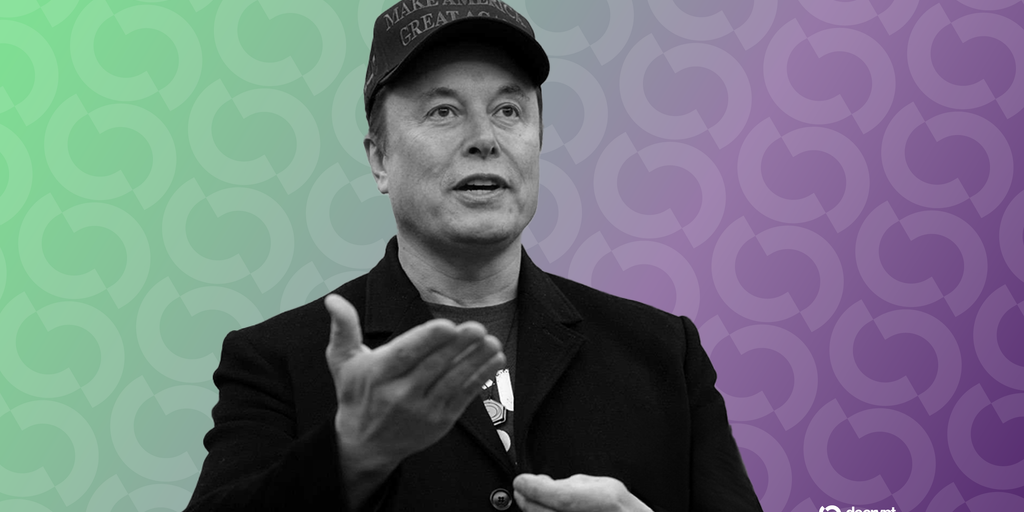
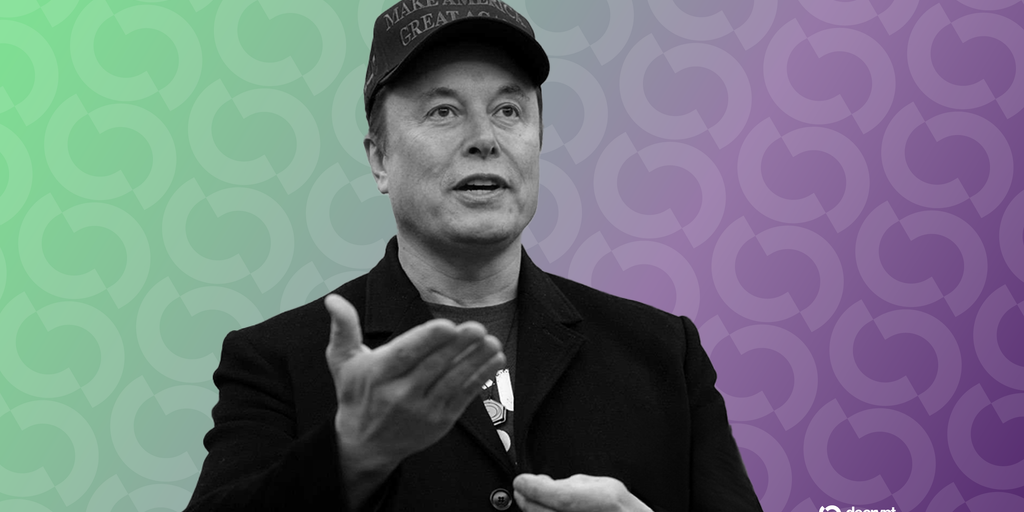
In a bizarre clash of cultural forces, acclaimed novelist Joyce Carol Oates and the world’s richest man, Elon Musk, engage in a viral war over the elusive joy, wealth, and “soul” of everyday life in an era of hyper-rationalism.
The sour exchange, which unfolded on Musk’s X platform over the weekend, quickly generated millions of views and exposed the growing rift between the empathetic humanities and the subversive techno-optimists.
The fuss was started by Oates on Saturday. Oates is an award-winner with a vast literary output, having published over 70 books and been nominated for the Pulitzer Prize multiple times. Her first post, on Nov. 8, was a series of subtle rants and careful observations that targeted the public persona of the world’s richest man, Mr. Musk, quote-tweeting a screenshot of one of his X posts.
Oates said: “What’s so strange is that such a wealthy man can’t express his admiration for natural scenery, his pet dogs and cats, his admiration for movies, music, and books (though I doubt he reads them), his pride in the accomplishments of his friends and relatives, his condolences for those who have died.” , don’t post anything that suggests you enjoy or appreciate the joy of sports, praise for your favorite team, references to history, or anything that almost everyone appreciates.” “The poorest people on Twitter may have access to more beauty and meaning in life than the richest people in the world.”
The post quickly garnered nearly 5 million views, 83,000 likes, and thousands of replies, and struck a deep chord with users who believe tech moguls are out of touch with common human experience. Despite his vast wealth and ambition as the architect of Tesla, SpaceX, and X itself, the sense that Musk was adrift in a world untouched by the poetry of the everyday was unmistakable.
vanilla thrill
The speculation turned into a no-holds-barred cage match spectacle when Mr. Musk, the self-appointed custodian of X’s free speech, retaliated with a series of personal and negative attacks. By Sunday morning, Mr. Musk fired back, accusing the writer of dishonesty and literary excess.
“Everything she says about me in her posts is demonstrably false with a quick search. Oates is a lazy liar and a semicolon abuser!” Musk wrote. Calling someone a semicolon abuser is bad enough, but Musk escalated his attack, saying, “Oates is a liar who delights in being mean. He’s not a good person.” And with his final, withering arrow, he declared: “It would be much more fun to eat a bag of sawdust than to read Oates’ laboriously pretentious drivel.”
The next few hours were filled with irony. The man accused of cultural sterility said he spent much of the day trying to prove his aesthetic authenticity by citing 1980s science fiction movies. blade runner and alien as artistry at its best (and it’s true!) amidst a flurry of retrospective syllabus construction that many interpreted as only reinforcing Oates’ original criticism.
Even more ironically, one of X’s most prolific users is Oates, who tweets with the enthusiasm and frequency of a teenager. As for Mr. Musk, his most interesting recent rant was about the difference between “makers and takers,” those who spend their lives creating things, and those who just consume and gossip. The rant comes in the wake of Tesla shareholders awarding Musk the equivalent of $1 trillion over the next 10 years, and all the backlash that followed.
This episode was more than just celebrity gossip. Oates, 87, embodies the humanities’ quiet insistence on beauty and emotional complexity. Her work explores the very textures of empathy that she evokes. Musk’s declaration that human empathy is the greatest threat to civilization represents the inexorable march toward technological singularity.
According to his biographer Walter Isaacson, this man never slept, never stopped building, and treated each of his monumental successes as just another level in a video game.
Can’t we all just be friends?
Maybe so. In the end, Oates, who (for now at least) has been a casual chronicler of human foibles, refuses to engage in personal turmoil. Instead, she suggested: Seemingly final observation On Monday, we will think about the virtue of empathy.
She sarcastically praised Musk for allowing such critical comments on his platform. “It’s impressive that Elon Musk allows critical comments about himself about X,” she wrote. “That’s not usually a generosity of spirit commensurate with an extreme type of non-empathetic person.”
generally intelligent Newsletter
A weekly AI journey told by Gen, a generative AI model.