

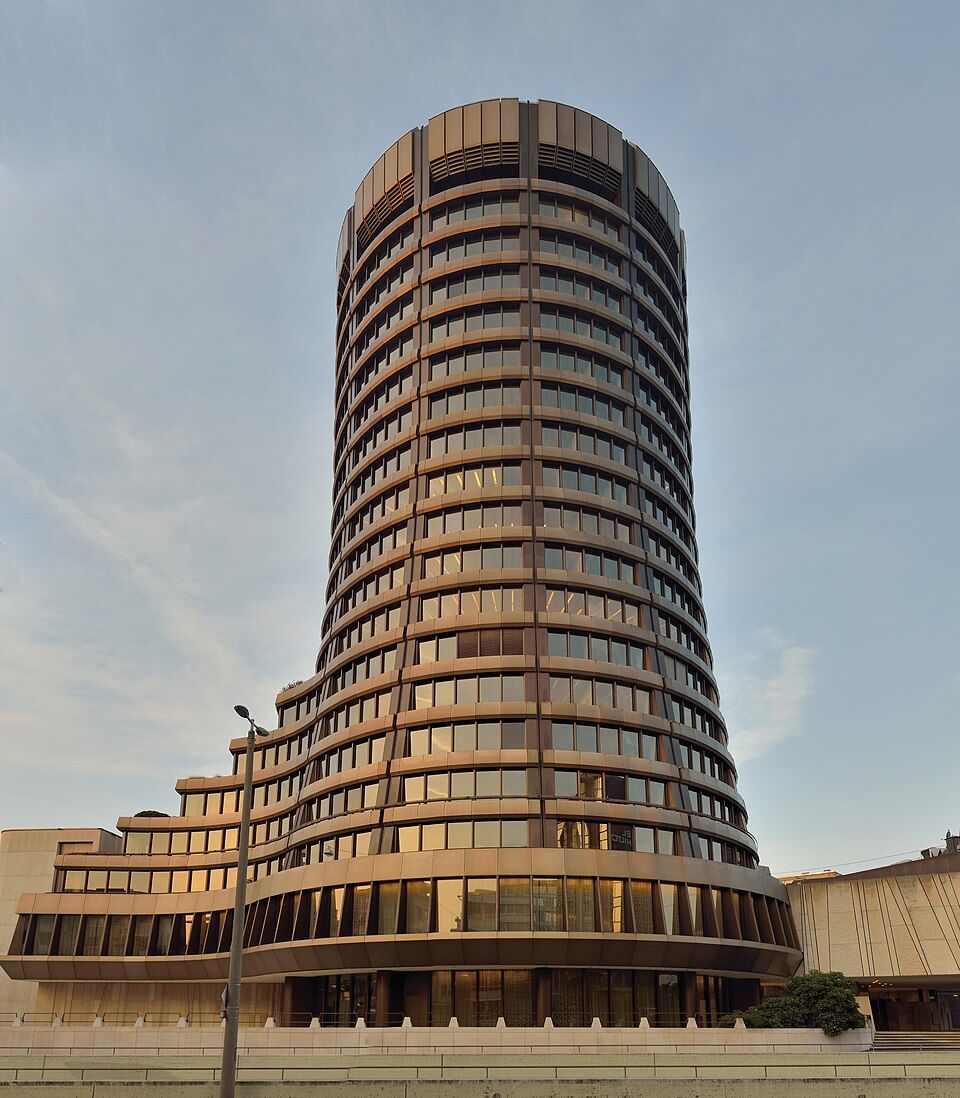
The Basel Committee on Banking Supervision (BCBS) is preparing revised guidance for banks’ crypto exposure in 2022, Bloomberg reports. The planned updates will make the rules easier to implement for banks that wanted to handle stablecoins and other digital assets but faced higher costs of capital under the previous framework. The 2022 standard was taken by many banks as a signal to avoid cryptocurrencies. In some jurisdictions, including the United States, the United Kingdom, and the European Union, these rules have not yet been fully implemented, so the Commission is reviewing them before they become final.
This amendment relates to the growth of regulated asset-backed stablecoins that are currently permitted for payments under the GENIUS Act in the United States. Under the current Basel document, stablecoins issued on public blockchains fall into the same capital bucket as more volatile assets such as Bitcoin BTC 109,983 and Ether ETH 3,859. Market participants said this treatment does not reflect the lower risk of stablecoins backed by cash or cash equivalents.
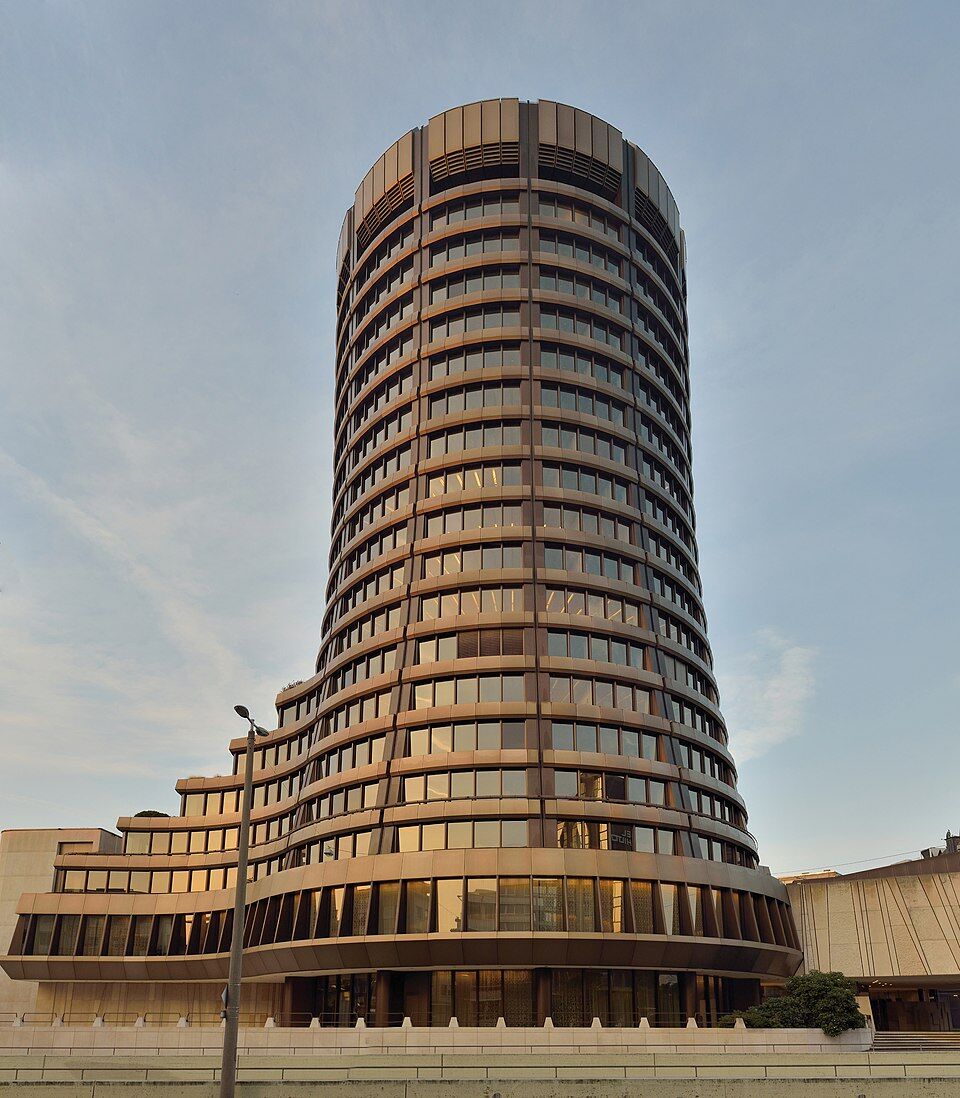
Stablecoin rules are seen as too strict for payment purposes
As reported by Bloomberg, BCBS members recently republished the 2022 rules to see if they still fit the current stablecoin market. They did this because of the rapid expansion of payment stablecoins. Several national authorities now allow the use of these stablecoins in regulated financial services. Basel standards form national banking rules, so banks pay attention to them. If stablecoins remain in the same high-risk group as speculative cryptocurrencies, banks will likely reduce their role in this space. Stablecoin activity would then primarily take place outside the banking system.
Under the existing framework, banks must hold capital against these assets as high risk. This makes bank participation in stablecoin issuance, storage, settlement, and clearing expensive. Industry participants argued that this result is inconsistent with jurisdictions that already apply risk-based treatment. For example, under the EU’s Market for Cryptoassets (MiCA) framework, stablecoins receive capital treatment commensurate with the quality of their backing (usually cash and cash equivalents).
Industry points to capital ‘choke point’ effect
The Bloomberg report follows earlier comments from Coinfund President Chris Perkins, who said in August that Basel capital requirements were posing a “challenge” for banks. he said:
“This is a very subtle way of suppressing activity because it’s very expensive for banks to do something that they say, ‘We can’t do.’
His explanation was consistent with the view of banks that want to support tokenized or blockchain-based payment products but cannot justify the capital implications under the 2022 text. The rules were broad enough to capture both volatile tokens and regulated stablecoins.
Different jurisdictions value timing
According to Bloomberg, some countries, including the United States, want to update the Basel Committee’s cryptographic standards before they can be fully rolled out domestically. Some people prefer to implement the current package and revise it later. In either case, the Basel Committee remains the main international standard setter for bank capital, risk management, and supervision. Its rules, including Basel III, are not laws, but are typically adopted by banks around the world when national regulators change their rules.
If the revised document separates stablecoins with regulated reserves from unbacked crypto assets, banks will have clearer terms for holding, transferring and servicing them. The commission has not yet released updated language.