

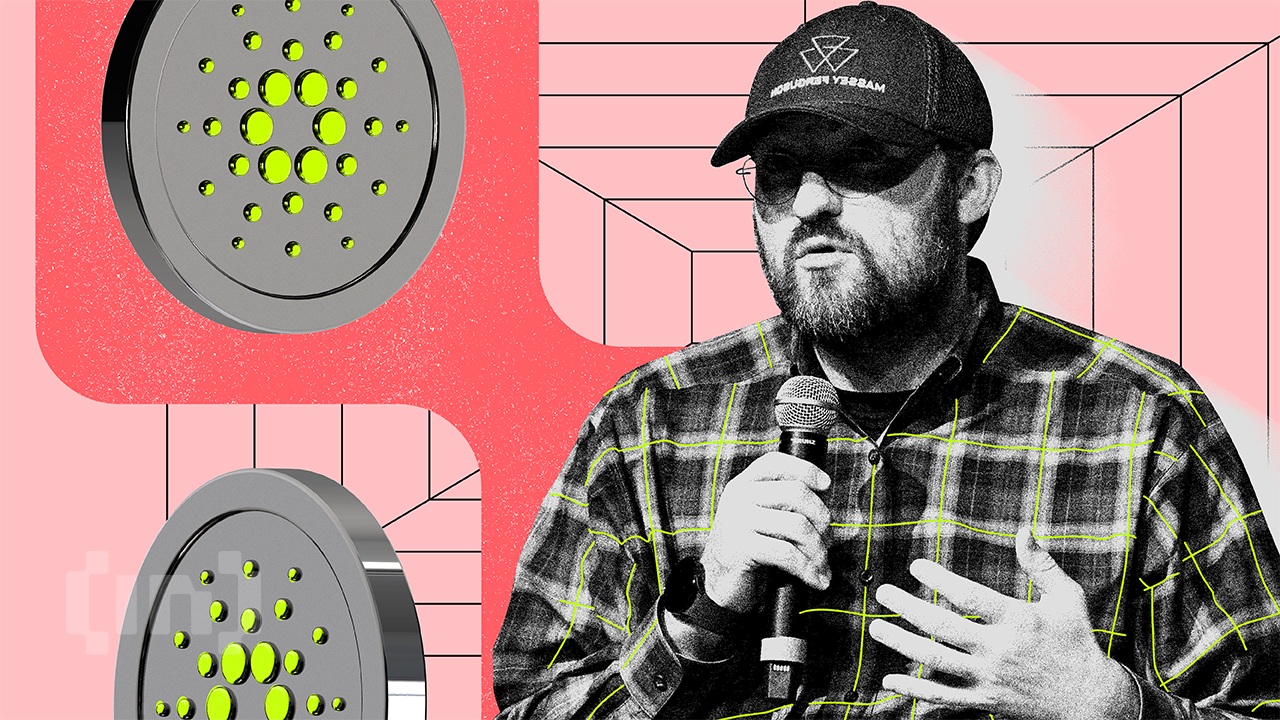
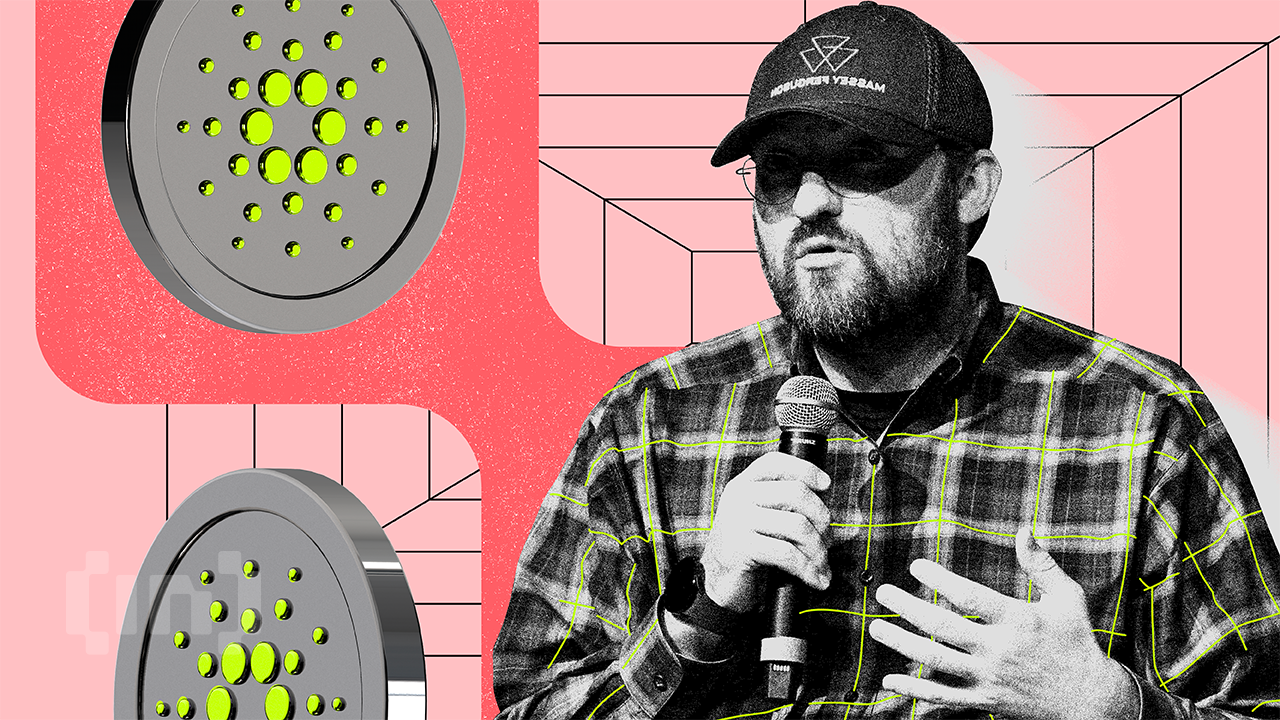
Cardano founder Charles Hoskinson has responded to fresh criticism regarding the network’s total value locked (TVL) and relatively slow decentralized finance (DeFi) growth.
On October 31, Hoskinson acknowledged that there is a gap between Cardano’s DeFi activities and major blockchains such as Ethereum and Solana. But he said the numbers do not capture the network’s broad participation and strength of governance.
sponsored
Cardano bets on Bitcoin interoperability to unlock billions in DeFi liquidity
Hoskinson pushed back on his long-held belief that introducing major stablecoins like USDT and USDC would automatically transform Cardano’s DeFi ecosystem.
“No one was discussing and explaining how the existence of one of these larger stablecoins would magically solve Cardano’s entire DeFi problem, drive up the price, and significantly improve MAU, TVL, and everything else,” he said.
He argued that their presence alone cannot solve the network’s structural challenges or guarantee growth.
He said Cardano already has native asset-backed stablecoins like USDM and USDA, which can be minted freely and are unlikely to lose their peg.
Hoskinson instead pointed to user behavior as the main reason Cardano’s DeFi TVL remains small.
For context, it noted that the network has approximately 1.3 million users involved in or participating in governance, who collectively hold more than $15 billion in ADA.
However, these numbers do not count toward the TVL index, and most ADA holders remain passive participants rather than active liquidity providers.
“Cardano has a fertile ecosystem. There are a lot of people flying around. There are a lot of people who hold ADA, people who have Cardano wallets, a lot of people who have been in our ecosystem for over five years in many cases. But a lot of those people are not crossing the chasm and using DeFi on Cardano,” he said.
sponsored
He added that this distinction creates a “chicken and egg” loop in the Cardano ecosystem. According to Hoskinson, low network activity hinders partnerships and liquidity, and a lack of external integration further limits on-chain adoption.
To counter these limitations, Hoskinson outlined a multi-year roadmap that connects DeFi growth to real-world finance and Bitcoin interoperability.
He highlighted Midnight network, a privacy-focused sidechain, and RealFi, a microfinance platform targeting the African market, as key initiatives.
Both integrate with Bitcoin DeFi, allowing you to lend out ADA and BTC, convert them into stablecoins, and use them in real-world lending products.
sponsored
Hoskinson expects this combination to drive “billions of dollars” of new liquidity while attracting Bitcoin’s vast capital base. He also pointed to ongoing projects such as Leios as evidence that Cardano continues to evolve at the protocol level.
Still, he acknowledged that Cardano’s core issue is coordination and accountability, not technology.
“It’s not a technology issue. It’s not a node issue. It’s not a imagination or creativity issue. It’s not an execution issue. We can do almost anything. It’s a governance and coordination and ultimately responsibility and accountability issue,” Hoskinson said.
To fix this, he proposed delegating clear responsibility for ecosystem expansion. He also called for targeted marketing and event strategies to mobilize ADA holders to participate in DeFi.
“The problem is not the ability to run a marketing campaign. The problem is not the ability to ship good software. The problem is that no one is actually coming up with it, executing it, and being accountable for the results. That’s the problem. In a nutshell, that’s the problem we have to solve next year as we head into 2026,” he said.